


EC Cloud
Here's How Edge Computing improves Experience in Enterprise
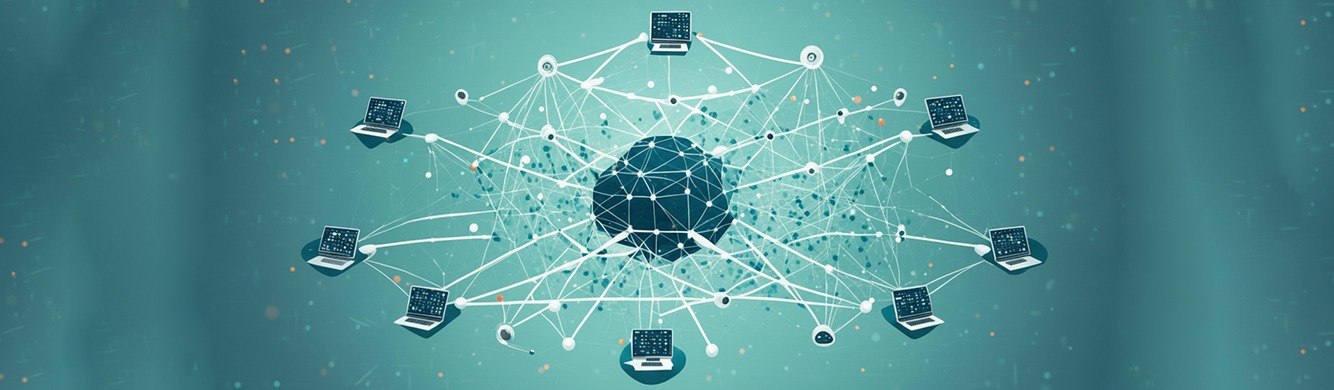
Edge computing is a modern way for businesses to distribute computing resources. It is a relatively recent evolution of computing models. To allow data transmission and service delivery close to the source of data or computing device, edge topology is distributed across multiple devices. This close proximity to the end consumer, whether an employee or a customer using a mobile phone or a store using a point-of-sale device, ensures timely and effective operations. Edge computing is a type of distributed computing in which information processing takes place close to the edge, where things and people generate and ingest data. The trend in computing this century has been to transfer it to the cloud.
In turn, it is similar to the client-server model in that certain tasks are performed closer to the point where the result is needed. However, it varies in that it exists on a modern generation of much more powerful devices, such as mobile phones, that did not exist previously. The ability to reduce latency and bandwidth sparked interest in edge computing. The internet of things and real-time applications, which require instantaneous data processing, are the key drivers today.
What does the term “EDGE” mean in Enterprise?
When it comes to business applications, the word “edge” has a different meaning. It’s not about real-time processing here; enterprise resource planning, financial planning and analysis, and human capital management systems don’t need it. In the business software environment, edge refers to the method of disseminating bits of a previously monolithic program to its users. Staff do not need access to the entire application suite or all of the company’s data. They only need a portion of the application as well as the data needed to carry out their particular purpose.
Giving users just what they need, when and where they need it, decreases response times and increases the user experience. For example, placing a task-specific app with a small data set on the user’s own computer would make it easier for them to complete their tasks.
Types of Edge in Enterprise Applications
- Architectural Edge: Refers to the type of system being distributed; front-office systems can be distributed at the edge, while systems of record are kept centrally.
- Geographical Edge: A multinational company’s systems of record may be located in a cloud in the headquarters region, but subsets of data may be processed in local countries to boost response times or satisfy regulatory requirements.
- Infrastructure Edge: Equates to distributed cloud. Even edge apps will be expected to run in a scalable environment.
- Application Edge: Creates task-specific apps in which a small portion of the program is delivered to the user along with the data they need to complete their task.
Market Advantages of Edge Computing
Edge computing enhances the people experience by making applications more user-friendly and homeworker-friendly. It also allows businesses to leverage AI capabilities and latest innovations. For quick response, workloads like voice recognition must run locally, while algorithms can be trained in the cloud. Compliance with data retention regulations is often easier with a distributed application architecture. Overall, moving business software components to the edge makes work simpler, quicker, and more precise. It is also a lean, agile strategy that can adapt easily to changing conditions.
Skills Required for Enterprise Edge Computing
To bring enterprise technology to the edge, businesses need the following:
- A desire to improve user experience and simplify work through software.
- Enterprise systems that provide a microservices architecture with event-driven and message-based processes.
- Ability to build front-office applications as separate units within the microservices architecture, with trust-but-verify relationships to central systems of record.
- Methods to maintain transactional integrity and data fidelity across multiple locations.
Next Steps for Businesses
When it comes to edge computing, every business should ask itself, “Is my data in the correct place?” and “What is my edge computing strategy?” As data volumes increase, more businesses are evaluating where they can store data for the best cost and efficiency. With the IoT revolution and the rise of connected devices, the need for data processing and storage increases exponentially.
Click to know more on Enterprise ready cloud and how it can help transcend your business.